
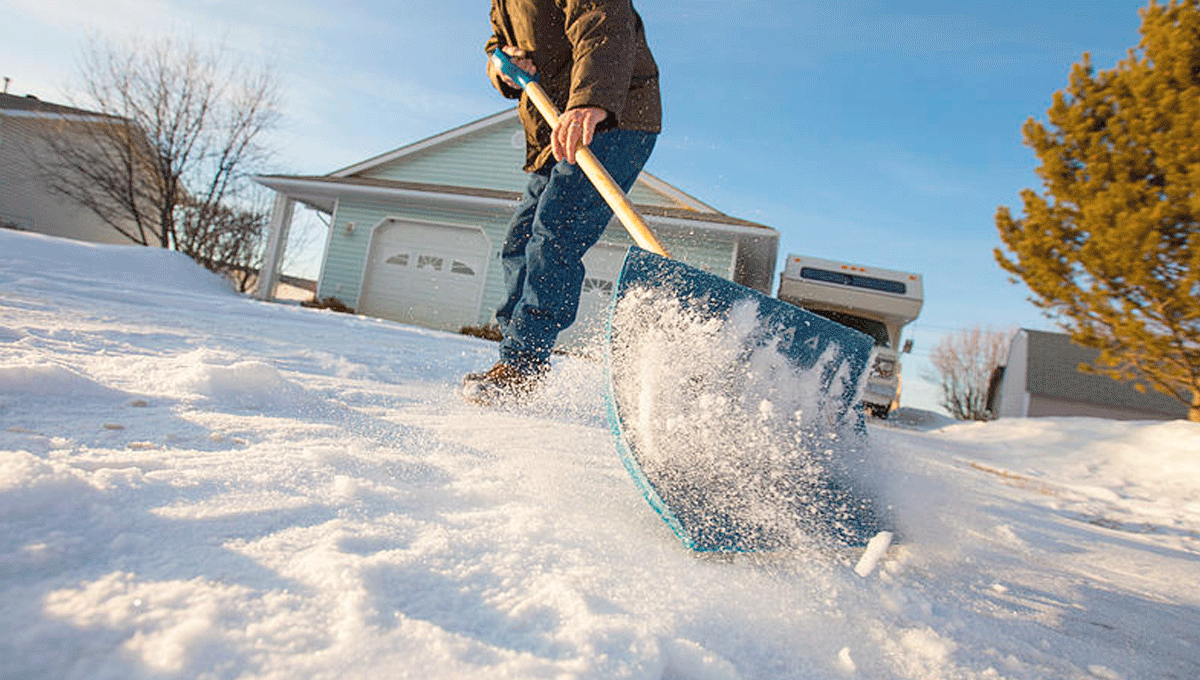
For many homeowners, an icy driveway can be an annoying winter hazard. While some people prefer salt to accelerate the melting process quickly, salt can also damage concrete and metal surfaces. Fortunately, there are several ways to remove ice from driveways that don’t involve salt.
Methods of deicing the driveways without salt
You should know that there are several good ways to remove ice from driveways without relying on salt. Regardless of your chosen method, removing ice from a driveway can be something other than salt.
Walkway mat
Walkway-mat
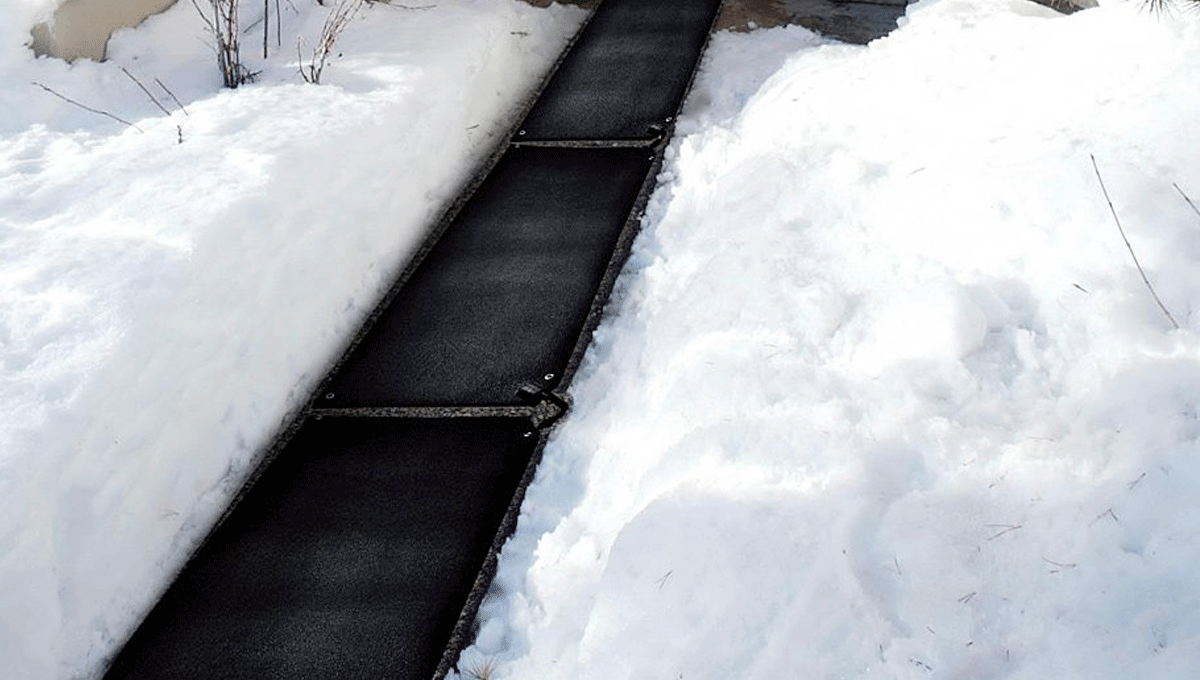
One of the most popular methods is to use a heated drive or walkway mat. This product connects to an outdoor outlet and warms the driveway’s surface to temperatures that quickly melt the ice. This approach is convenient because the mats are portable and can be tucked away during summer. Additionally, heated mats are safe around metal surfaces, such as the edges of driveways and car bumpers.
Heated broom
Heated-broom
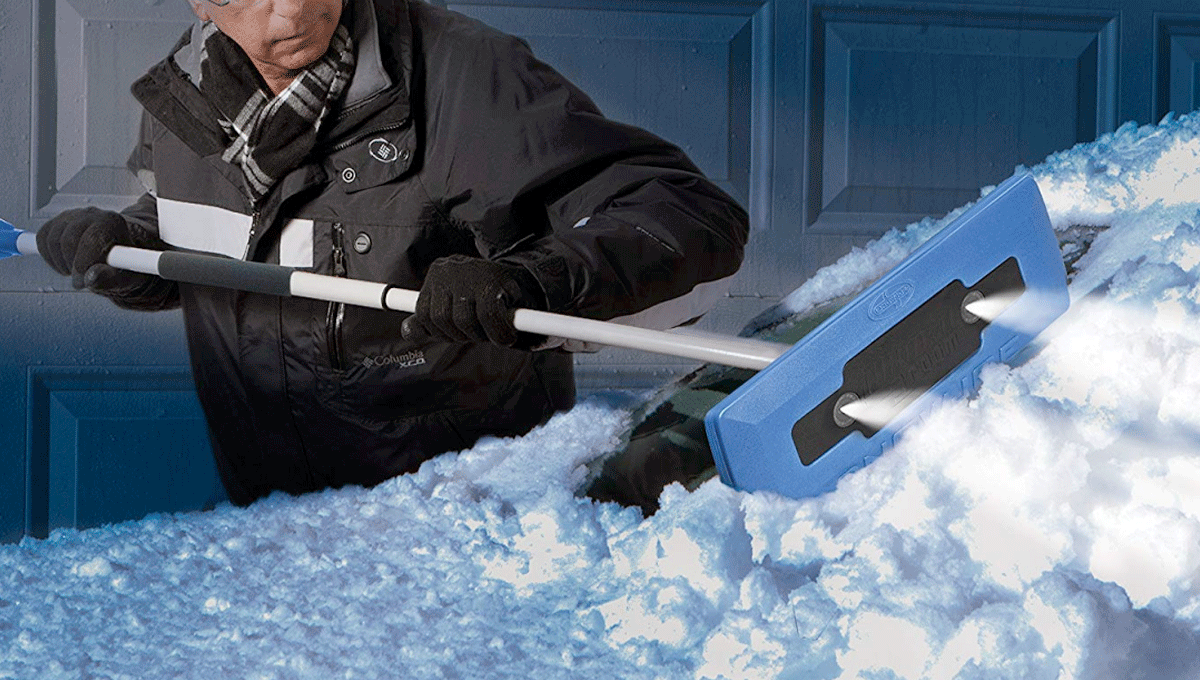
Another effective method for removing ice is to use a heated broom. This product resembles a traditional broom but features heating elements inside the bristles. These electric brooms are easy to use as you need to activate the switch and then move the bristles back and forth across the surface like a regular broom. This method can take slightly longer than a heated driveway or walkway mat but is relatively inexpensive and efficient.
Baking soda
Baking-soda
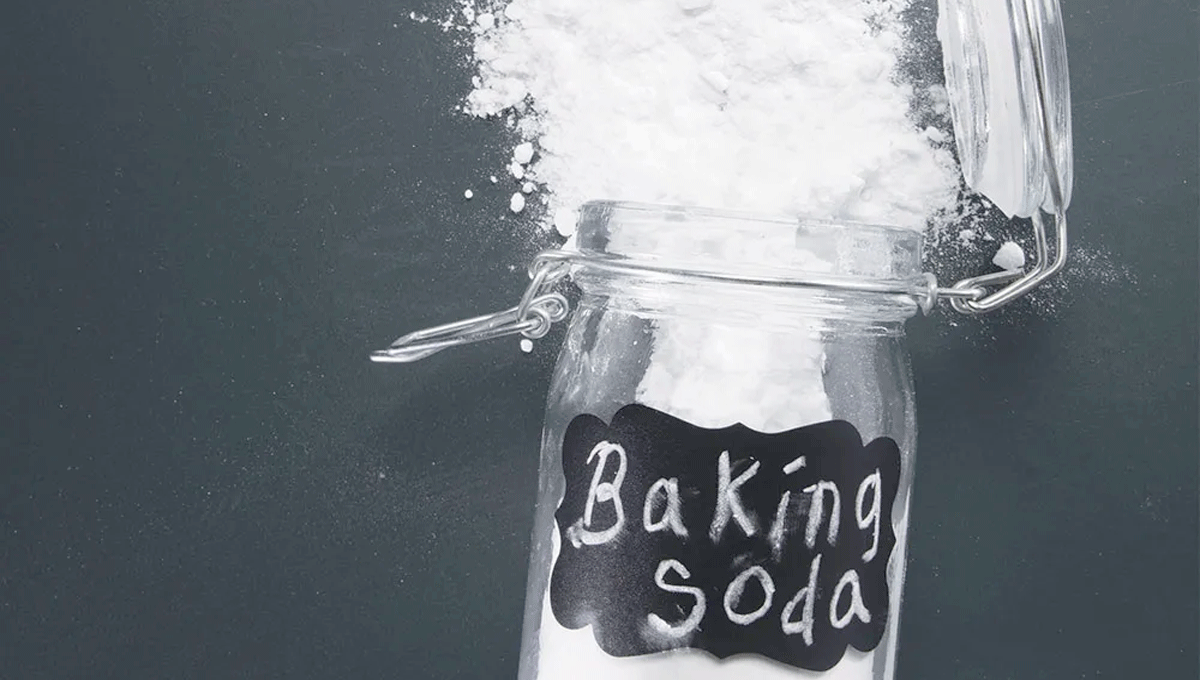
Removing ice from a driveway without salt or electricity is also possible. One common approach is combining baking soda and boiling water, which can produce a naturally-occurring salt solution. After mixing the baking soda and water, the solution can be poured or sprayed onto the icy surface. This concoction will be less effective than the two methods mentioned above, but it can still be a reliable option in some cases.
Heated driveways

Heated-driveways-remove ice
Heated driveways are usually constructed of concrete or asphalt. They are connected to a heating system powered by various sources, including electricity, gas, and geothermal energy.
Overall, a heated driveway is a wise investment if you live in an area with heavy snowfall in the winter months. It will reduce labour in the winter months and provide you with a safer and more energy-efficient approach to clearing your driveway.
Benefits of a heated driveway
The primary benefit of a heated driveway is that it effectively eliminates the need for shovelling and typically requires less labour than other snow removal methods. This is because the driveway’s surface is heated, making snowfall melt. Combined with its insulation properties, this prevents snow from accumulating and provides a much safer and more convenient approach to keeping the driveway clear of snow.
Why are heated driveways the best way to remove ice without salt?
Heated driveways are a great way to conserve energy and reduce utility bills. Many of the heating systems used are designed to be energy-efficient, meaning that they require less energy to operate than the traditional snow-clearing methods. Furthermore, because the driveway’s surface is constantly warm, there is significantly less heat loss, leading to an energy-saving benefit.
Comments
About the Author: saman tavasoli


