

You’re undoubtedly familiar with the problems a frozen driveway can cause. Here, we’re going to provide practical solutions to this issue. Electronic and hydronic systems are two primary methods to keep your driveway dry and clear. But which one suits your situation best? What are the pros and cons of each of them? Keep reading below to find answers to such questions.
What’s a hydronic driveway heat system?
First, a mixture of propylene glycol and hot water is heated in a heated hydronic driveway. Water is mixed with anti-freeze to prevent freezing in the first place. Then, there is a network of Pex tubing in a medium such as an asphalt or concrete. The mixture of water and anti-freeze will circulate in the web, and the circulation from a central heater or boiler through the tubing does the trick. This operation is affordable since various energy sources, such as oil, natural gas, wood, and solar, can power condensing boilers.
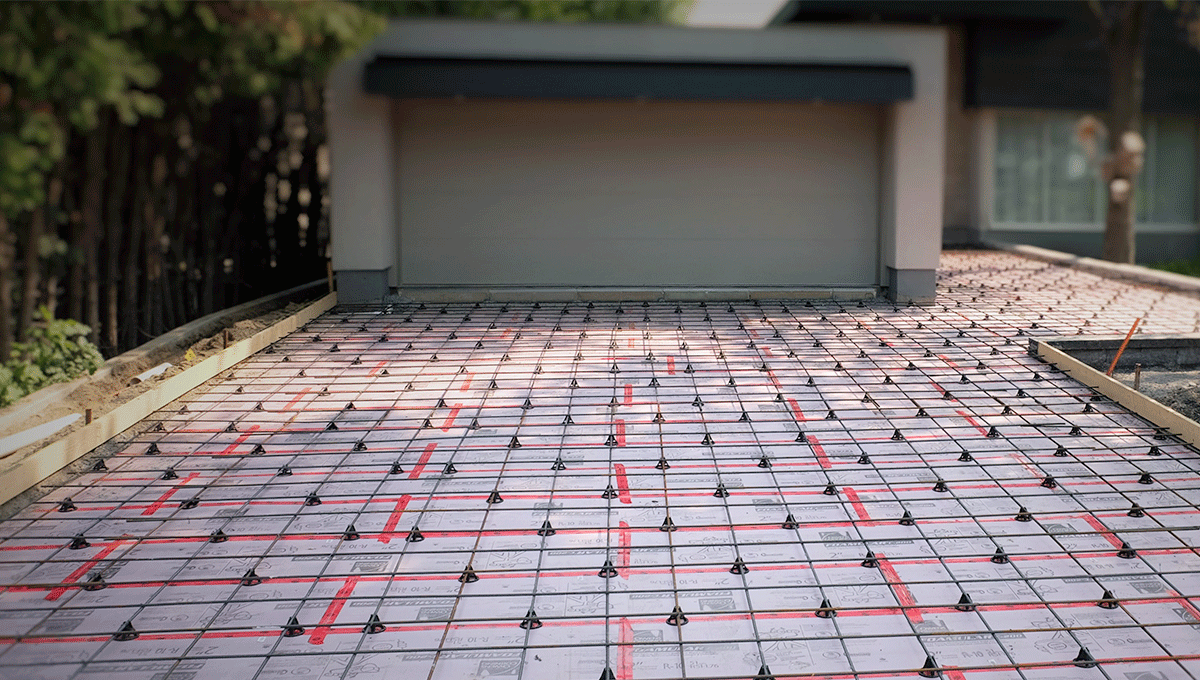
What’s an electric driveway heat system?
In an electric-heated driveway, there are cables underneath the land. These cables are placed under the driveway’s surface and can heat up. Afterward, they transfer the heat across the driveway. This system produces heat using an electrical current moving through the cables. The cables and wires then exchange the heat, which gets to the floor, making your driveway clear of snow. This heating system is straightforward to install. Also, it’s affordable and can last long without needing substitution. But it would help if you considered that the cables might burn out over time. Also, this heating system only requires a little electricity for heating purposes, even though you need to consider your driveway area before choosing it since you cannot use it for heating a large floor.
Which heat system is best for me?
Each system mentioned in the article is handy and can heat your driveway effectively. But to help you choose the best option based on your house conditions, we will note the significant differences between these systems and the advantages and disadvantages of each.

Which-heat-system-is-best-for-me
Electric heat system pros:
This system is straightforward and inexpensive to install. Also, it is energy efficient. It does not need much electricity and can work without requiring any fuel. Installation is possible under the driveways whose construction has already finished. The chance of an electric system breaking is low, and electric systems can be used not only for driveways but also on sidewalks, stairs, etc.
Electric heat system cons:
Although this system is quite efficient, some things could be improved. For example, it’s not DIY, and you will need electricians to install it. Also, an electric heat system cannot power larger areas easily. The cables in the electric system can’t be modified or cut, so the modifications must happen at once.
Hydronic heat system pros:
A hydronic heat system can quickly heat a large area and isn’t limited to small driveways. You can use this system with the existing boilers in the home. Also, the tubing causes the even distribution of heat and is durable. A hydronic system can melt snow quickly and is currently used for residential, commercial, and industrial applications.
Hydronic heat system cons:
Unlike the electric system, installing a hydronic heating system for an existing driveway is impossible, and for them to work, the driveway must be removed first. Because of the presence of water, the tubing may be eroded over time. In this case, it needs replacement because the system does not work efficiently with broken tubing. The installation of a hydronic heat system can be challenging and challenging.
Conclusion
As mentioned earlier, there are pros and cons to any method that you use for driveway heat production. But you can choose the best system for your home and decide based on some conditions. This article provides information about electric and hydronic systems, which can help you decide easier. For example, if your driveway construction is completed, you’d better choose something other than the hydronic system. Also, if the area you want to heat is relatively large, the electric system can only work a little efficiently.
Comments
About the Author: saman tavasoli


